Types of Refrigerators
The types of refrigerators available on the market include:
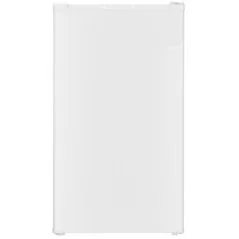
- Top Freezer Refrigerator: The freezer is located at the top of the refrigerator, making it convenient for everyday use and easy to access.
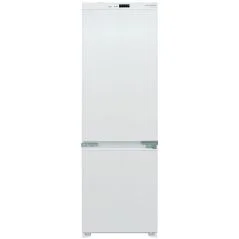
- Bottom Freezer Refrigerator: The freezer is located at the bottom of the refrigerator, placing the refrigerator compartment at eye level for easy access.
- Side-by-Side Refrigerator: Two compartments side-by-side, with the freezer on one side and the refrigerator on the other, suitable for spacious kitchens.
- French Door Refrigerator: Two upper doors for the refrigerator and two lower doors for the freezer, allowing for flexible and separate organization of refrigerated and frozen items.
- Integrated Refrigerator: Built into the kitchen cabinets and blends in with the overall design, creating a uniform and stylish look.
- Mini Refrigerator: Small and portable, suitable for office spaces, bedrooms, or small areas, providing a compact storage solution.
How to choose the ideal capacity for your refrigerator?
The choice of capacity depends on the number of people in the household:
- On average, calculate approximately 100 to 150 liters of useful volume per person.
- For a family of 3 people or more, opt for a refrigerator with at least 300 liters.
What are the important options to consider when choosing a refrigerator?
Certain options can improve usability:
- Type of cooling: Static, circulated (dynamic), or frost-free (no frost), affecting temperature distribution and frost formation.
- Energy efficiency class: Indicates the annual electricity consumption, from A (most efficient) to G.
- Climate class: Determines the optimal ambient temperatures for the refrigerator to function properly.
- Additional options: Such as door alarm, vacation mode, or super-freezing/refrigeration functions.
What are the differences between types of cooling (static, circulated, frost-free)?
There are several types of cooling systems available:
- Static cooling: Naturally circulating air, less uniform in temperature.
- Circulated (dynamic) cooling: Evenly distributed cold air thanks to a fan.
- Frost-free (no frost) cooling: Cold air without humidity, preventing frost formation.
What criteria should be considered for a silent refrigerator?
Choose a model with a noise level below 40 dB for discreet operation, ideal for open kitchens or confined spaces.
How to correctly install a built-in or freestanding refrigerator?
Ensure sufficient space around the refrigerator for optimal air circulation. Built-in models require a specific housing unit for seamless integration into the kitchen.
What is the average energy consumption of a refrigerator?
Consumption varies by refrigerator type, but modern models consume approximately 200 kWh per year.
How to choose between freestanding and built-in refrigerators?
Opt for a built-in model for aesthetic integration into your kitchen, while a freestanding refrigerator offers more flexibility during installation.
What is the impact of the energy efficiency class on refrigerator consumption?
Refrigerators classified as A are more energy-efficient, contributing to long-term savings on electricity bills.